Welcome to vnonline.co.uk

vnonline.co.uk provides the veterinary nursing profession with the latest news and industry developments, as well as events, resources, learning materials and careers.

Our website is dedicated to veterinary nurses and we strive to provide a platform where you can voice and explore your interests.

Not a member yet? Sign up for free!

Register for free with vnonline.co.uk to gain unlimited access to news, resources, jobs and much more!




Click here to become a member


Log in to vnonline

Forgot your password?

Posted: 26th June 2026

Owners urged to never release 'exotic' pets to the wild
An owned raccoon, listed as an invasive species, was discovered in Cornwall.
RSPCA warns of dangers to UK’s native wildlife.

The RSPCA has reminded owners that they must never release their pets into the wild, especially if they are not native to the UK.

The charity warns that, if they escape or are released, exotic pets can cause serious welfare and ecological risks to native wildlife in the UK. This includes competition for resources, predation, disease transmission and disruption to habitats.

Throughout 2025, the RSPCA received 6,118 reports involving 25,164 exotic animals. Of these, 42 per cent involved birds, 25 per cent involved reptiles and 22 per cent involved fish.

Nearly a quarter of these reports were involving stray or abandoned animals.

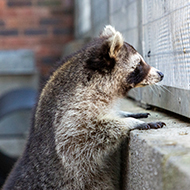
One such case was of a raccoon, which the RSPCA rescued after it was discovered in Gwennap, Cornwall. Native to North America, raccoons are listed as an invasive, non-native species in Great Britain.

The raccoon was found to have escaped from exotic pet owners. After receiving specialist care from RSPCA West Hatch Wildlife Centre, he was returned to his owners and the premises were checked to prevent future escapes.

The data has been released as part of RSPCA’s Don’t Let Them Loose campaign, which the charity launched in partnership with the UK government as part of Invasive Species Week (22-28 June). 

Pet owners are urged to check their pet’s enclosures regularly for signs of damage or wear, as well as using secure containers when transporting them. A specialist exotics veterinary surgeon will be able to microchip or fit a closed ring on many animals.

Aquarium water, aquatic plants, bedding and other pet waste should be disposed of safely, and should never be emptied into waterways or the countryside.

If an exotic pet owner chooses to rehome their pet, they must seek advice from a reputable rescue organisation or a professional. Releasing a non-native animal into the wild, or allowing it to escape, is an offence under the Wildlife and Countryside Act of 1981.

Evie Button, an exotic pets expert at the RSPCA, said: “We’re urging anyone considering an exotic pet to do thorough research, think carefully about the long-term commitment, and have a plan in place for the animal’s entire lifetime. This can potentially be a decades-long plan - goldfish can live for up to 25 years, some parrots can live for over 50 years, and tortoises can become centurions, so will often outlive their owners.
 
“If circumstances change, owners should seek advice on responsible rehoming - releasing them is never safe or acceptable.”

Image © RSPCA


Become a member
or log in to add this story to your CPD history