Welcome to vnonline.co.uk

vnonline.co.uk provides the veterinary nursing profession with the latest news and industry developments, as well as events, resources, learning materials and careers.

Our website is dedicated to veterinary nurses and we strive to provide a platform where you can voice and explore your interests.

Not a member yet? Sign up for free!

Register for free with vnonline.co.uk to gain unlimited access to news, resources, jobs and much more!




Click here to become a member


Log in to vnonline

Forgot your password?

Posted: 22nd May 2026

Vet warning ahead of Bank Holiday heatwave
Brachycephalic dogs are at high risk, as are overweight, old and densely coated animals.
Temperatures will hit 30 degrees Celsius in some areas.

The British Veterinary Association (BVA) has issued a pet health warning ahead of high temperatures across the UK this weekend.

Weather reports are predicting highs of 30 degrees Celsius this weekend, increasing the risks of potentially fatal heat-related illnesses.

During the summer months, veterinary practices frequently see large numbers of cases involving heatstroke, burnt paw pads, sunburn and breathing difficulties. Some dogs are unable to be saved.

The BVA’s Voice of the Veterinary Profession, conducted during 2022’s record-breaking heatwave, with 51 per cent of all UK vets seeing animals with a heat-related illness. Dogs were most commonly affected, with conditions reported by 51 per cent of small animal vets.

This was followed by rabbits (nine per cent) and cats (six per cent).

Brachycephalic dogs, such as English bulldogs and pugs, were at increased risk of heat-related illness due to their well-known breathing difficulties. However overweight, old and densely coated animals are also at higher risk.

Dr Rob Williams, BVA president, said: “It helps to recognise early signs of heatstroke as quick action could save your pet’s life. In dogs, signs of heatstroke include heavy panting, drooling, restlessness, bright red or very pale gums, and lack of coordination.

“If you suspect heatstroke, take your dog to a cool, well-ventilated place, give it small amounts of cold water to drink if possible, and pour cold water over the body to cool it down, before contacting your vet.”  

The RSPCA has also issued its own guidance, as part of its Summer of Kindness campaign. The charity receives hundreds of reports of heat exposure cases, including dogs in hot cars, pets with heat burn from paws on hot pavement and dogs over-exercised in the heat.

Lauren Bennett, RSPCA pet welfare expert, said: “Bouts of intense heat can be such a stressful time for pet owners - but the best way to protect our pets is by equipping ourselves with the right knowledge and latest science-backed research, to give us the most effective way to ensure we can all be safe during those scorching summer days.”

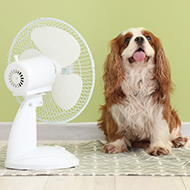
Image © Pixel-Shot/Shutterstock


Become a member
or log in to add this story to your CPD history