The study confirms the role of wildlife as reservoirs of antibiotic resistance.
Researchers discover drug-resistant bacteria in foxes and birds.
Wild animals living in remote areas are acting as a “reservoir” for antibiotic-resistant bacteria and could serve as an “early warning system” for AMR, according to new research.
Scientists at the University of Parma tracked a group of bacteria known as ESKAPE, which is especially resistant to antibiotics and can ‘escape’ antibacterial agents.
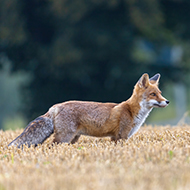
The team examined some 500 faecal samples from red foxes, crows, magpies and several species of water birds from urban, rural and wild regions in Northern Italy.
In 32 of the samples, they identified a high-risk strain of Klebsiella pneumoniae, a bacterium that can cause serious infection in humans.
Most surprising was that none of the animals had been directly exposed to any human antibiotics, suggesting the resistance is leaking into the natural environment from human sources.
“We isolated a high-risk ST307 clone of K. pneumoniae and NDM-5 carbapenemase, an enzyme variant that can inactivate antibiotics, from wildlife living far from human activity, explained Dr Mauro Conter, Associate Professor at the University of Parma.
“This confirms the role of wildlife as reservoirs of clinically relevant resistance, which means that wildlife surveillance could provide an early warning system of resistance spreading beyond clinical settings.”
The study, Wildlife as sentinel of antimicrobial resistance in Klebsiella spp. with genomic insights into Klebsiella pneumoniae in Northern Italy, is published in Frontiers in Microbiology.
Image (C) Frank11/Shutterstock.







 Two independent vets have launched a podcast to help owners strengthen their bond with pets. Dr Maggie Roberts and Dr Vanessa Howie, who have worked in both veterinary practice and major charities, are keen to use their experience to enable people to give pets a better life.