Welcome to vnonline.co.uk

vnonline.co.uk provides the veterinary nursing profession with the latest news and industry developments, as well as events, resources, learning materials and careers.

Our website is dedicated to veterinary nurses and we strive to provide a platform where you can voice and explore your interests.

Not a member yet? Sign up for free!

Register for free with vnonline.co.uk to gain unlimited access to news, resources, jobs and much more!




Click here to become a member


Log in to vnonline

Forgot your password?

Posted: 5th February 2026

WWII pillboxes converted into common tern habitats
The pillboxes mimic the natural gravel and shingle sites where common terns build their nests.
The initiative hopes to provide safer nesting sites in Scotland.

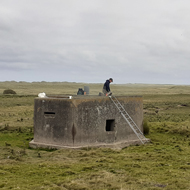
Four derelict Second World War pillboxes have been converted into nesting sites for Scotland’s endangered common tern population.

The pillboxes, located at RSPB Loch of Strathbeg, will protect the seabirds from predators while mimicking the sites where they would naturally build their simple nests.

Originally built in 1940, the pillboxes served as part of an anti-tank line to protect flat beaches from potential invasion. They will now safeguard the common tern, which is in decline.

The conversion was completed as part of the conservation programme 'Species on the Edge'.

As part of the conversion work, the team covered the pillbox roofs with shingle substrate and installed mesh fencing onto wooden frames. The new pillboxes are intended to represent the natural gravel and shingle sites where common terns usually build nests.

The team will also install model terns in the modified pillboxes, accompanied by sound lures playing tern calls, to encourage common terns to nest there.

Common terns face a number of threats, including reduced food availability, avian influenza, as well as danger from both humans and predators. However, it has been their habitat loss which has been particularly damaging.

It is hoped that these new sites will protect the Loch’s common tern population by increasing the availability of breeding habitats. With the protection of the pillboxes, conservationists believe the endangered birds will also be safe from disturbance and predation.

Luke Butler, a Species on the Edge trainee who has been leading conversion work, said: "It's great to be transforming these relics of wartime defence into sanctuaries that could bring new life to the reserve and help create a securer future for Common Terns in Scotland."

Robyn Stewart, Species and Habitats Officer with RSPB and the Species on the Edge lead for the programme’s tern work, added: “The tern pillboxes are maybe one of the most innovative examples of upcycling I've come across and are a testament to the creativity and dedication of Luke and the wider RSPB Loch of Strathbeg team who have supported this project.

“The east coast of Scotland is incredibly important for terns and the pillboxes will provide some much-needed breeding habitat for common terns to raise their chicks free from disturbance and predation.”

Image © RSPB Loch of Strathbeg


Become a member
or log in to add this story to your CPD history