The RSPCA has called on veterinary teams to be alert for signs of abuse by falsification and induced illness in their animal patients.
It comes after a survey in the Netherlands revealed that just 12 per cent of respondents had received education on abuse by falsification.
Abuse by falsification, also known as ‘Munchausen by proxy’, is a rare form of abuse where owners will pretend their pet is ill or deliberately make them ill. This is often an attempt to gain attention or sympathy as an owner.
According to research, from Utrecht University, 83 per cent of Dutch vets were familiar with abuse by falsification. Fifty-one per cent said they were likely to see it in their practices.
However, 92 per cent said that they had never reported it as abuse. This was due to a lack of knowledge, as well as difficulty with identifying clients suffering from it.
Naomi Williams, lead vet for casework and forensics at the RSPCA, said: The findings of this paper from the Netherlands are unsurprising due to the complex and challenging way these cases can present. This is something that tragically, we do come across at the RSPCA.
“Sadly, here in England and Wales, the RSPCA has seen reports of animal cruelty and neglect rise sharply, with a 58% increase in reported incidents over the past four years.
“What’s important is ensuring vets have the training and knowledge to identify the early warning signs of fabricated or induced illness in pets that can help them intervene to help both the animal and owner.”
Among the signs of abuse by falsification are attention-seeking behaviour from owners, an inexplicable or changing description of a condition and a refusal for the pet to be hospitalised. Vets may also see multiple pets from the same household, or observe a history of unexplained animal deaths.
She added: “If you suspect a case of abuse by falsification then I’d encourage discussing your concern with colleagues and making detailed contemporaneous notes of the facts.
“The law, as set out in the Animal Welfare Act, clearly sets out the offences that occur when an animal is allowed to suffer unnecessarily, or where their needs are not being met. As vets, it is important to understand the law and our role as vets as set out in the law”
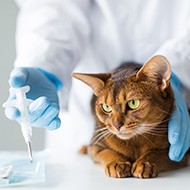
Image © AnnaStills/Shutterstock