Welcome to vnonline.co.uk

vnonline.co.uk provides the veterinary nursing profession with the latest news and industry developments, as well as events, resources, learning materials and careers.

Our website is dedicated to veterinary nurses and we strive to provide a platform where you can voice and explore your interests.

Not a member yet? Sign up for free!

Register for free with vnonline.co.uk to gain unlimited access to news, resources, jobs and much more!




Click here to become a member


Log in to vnonline

Forgot your password?

Posted: 15th June 2026

RUMA CA&E launch condition-specific toolkits
The toolkits provide practical support for practices.
The digital kits will support practices to meet AMU reduction targets.

The Responsible Use of Medicines Alliance – Companion Animal & Equine (RUMA CA&E) has launched two condition-specific digital toolkits for the veterinary profession.

Its new resources focus on antimicrobial usage when treating canine acute diarrhoea and cat bite abscesses/cat fight wounds.

The RUMA CA&E Alliance selected these topics as ‘in practice focus areas’ since antimicrobial usage had been traditionally high. However, the group says that evidence and clinical experience proves most patients did not need treatment with antibiotics.

For cases of canine acute diarrhoea, it advises that most dogs recover without antibiotics and without the risk of antibiotic side effects. Only dogs with significant systemic signs may need antibiotics.

Meanwhile, for cat bite abscesses and cat fight wounds, drainage and flushing are considered the key interventions. Antibiotics are considered unnecessary unless there are complicating factors.

The toolkits will act as practical support for practices: signposting evidence, providing decision-making flowcharts and engaging client-facing materials.

RUMA CA&E’s project forms part of a wider initiative to deliver the first national antimicrobial use (AMU) reduction targets for dogs and cats.

Its targets, announced in November 2025, aim for a 30 per cent reduction in overall AMU in dogs and cats. It also hopes to achieve a 50 per cent reduction in highest priority critically important antibiotic use in cats over the next five years.

Steve Howard, secretary general of RUMA CA&E, said: “If stewardship efforts are going to gain traction, they need to begin with conditions where the evidence is strong, the case for change is clear, and the impact can be meaningful. Canine acute diarrhoea and cat bite abscesses/cat fight wounds fit that criteria well.

“Both are common in first-opinion practice, both have historically been associated with antimicrobial prescribing, and in both cases the combination of evidence and clinical opinion and experience suggests that most patients do not require antibiotics. That makes them practical, high-impact starting points for helping teams review prescribing in everyday consultations.”

Abi Seager, CEO at the Veterinary Medicines Directorate (VMD), added: “These resources will help reduce unnecessary antibiotic use while maintaining effective treatment and high standards of animal health and welfare. We look forward to continuing to work with partners to ensure this contributes to national efforts to tackle antimicrobial resistance.”

The toolkits can be accessed on RUMA CA&E’s website.

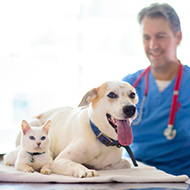
Image © FamVeld/Shutterstock.com


Become a member
or log in to add this story to your CPD history