Not all baby birds need help, RSPCA warns
Many ‘rescued’ birds did not require intervention.
The RSPCA has warned the general public to take expert advice before attempting to ‘rescue’ abandoned baby birds.
The charity has reported a 22 per cent rise in its nestling intake in March and April 2026. This is despite many of these birds not requiring any intervention.
With admissions continuing to rise, the RSPCA is now preparing for a further peak in June.
In June 2025, 748 birds were admitted to the RSPCA after being brought into rescue centres. This formed part of a nine per cent increase overall in young birds brought to the RSPCA in 2025, reaching a total of 2,477 birds.
The RSPCA is urging animal lovers to consult its advice before intervening.
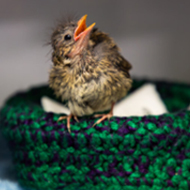
Nestlings, which appear to have no or few feathers, should be renested as soon as possible without disturbing other nesting birds. Any that are injured should be taken to the vet.
Meanwhile fledglings, which do have feathers, should not be disturbed. The RSPCA says that it is normal for a fledgling to leave the nest to practise flying, with the parents nearby.
Both nestlings and fledglings should only be taken to the vet if they are visibly injured.
Rebecca Machin, wildlife expert at the RSPCA, said: “We know there are so many kind-hearted wildlife lovers who want to do their bit to help, especially if a baby bird has been found out of their nest, but it’s really important that they take a moment to check whether that little bird actually needs help.
“Finding a feathered baby bird out of the nest is completely normal and - unless they’re sick or injured - it’s in their best interest to leave them be, and keep any pets well away. The parents are often nearby, keeping a close watch.
“If you do find a baby bird out of their nest, and you’re worried, the best thing to do is to follow advice on our website.”
Image © RSPCA