Welcome to vnonline.co.uk

vnonline.co.uk provides the veterinary nursing profession with the latest news and industry developments, as well as events, resources, learning materials and careers.

Our website is dedicated to veterinary nurses and we strive to provide a platform where you can voice and explore your interests.

Not a member yet? Sign up for free!

Register for free with vnonline.co.uk to gain unlimited access to news, resources, jobs and much more!




Click here to become a member


Log in to vnonline

Forgot your password?

Posted: 23rd February 2026

Study highlights environmental risks of isoxazoline
Isoxazoline gained popularity as an oral treatment for fleas and ticks.
Active ingredients from flea treatment pass into pet faeces.

A study has demonstrated how a relatively new class of antiparasitic medication could be endangering the natural environment.

The flea and tick treatment isoxazoline, introduced in 2013, gained popularity as one of the first oral treatments to control flea and ticks for a month or longer.

Pets that take this medication will pass the active compounds through their body, excreting them in their faeces. These substances contaminate ecosystems, particularly killing insects exposed to the faeces.

The drugs are particularly harming dung-feeding insects including flies, dung beetles and some butterflies. These insects have a key role in the environmental ecosystem – breaking down waste, recycling nutrients, improving soil quality and helping control pests.

Researchers in France monitored 20 dogs and 20 cats, owned by veterinary students, as they received isoxazoline treatments over three months.

Samples measured how much of the active ingredients remained in the faeces. Based on this, they estimated how much exposure the dung-feeding insects would face.

The analysis revealed that, even after the treatment period, two of the four active ingredients (fluralaner and lotilaner) in isoxazoline remained in the animals’ faeces.

A following environmental risk assessment suggested that dung-feeding insects could be experiencing high levels of exposure to isoxazoline as a result or routine treatments. Researchers warn this would disrupt important ecological processes and have serious consequences for environmental lifecycles.

The research team says that this discovery should prompt further study into anti-parasitic treatment and its harm to the environment. It has also called for the prolonged faecal elimination of these substances to be mentioned in the medication SPC.

The full study can be found in the journal Environmental Toxicology and Chemistry.

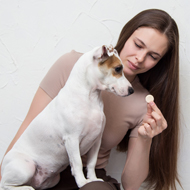
Image © Shutterstock.com/ Ekaterina43


Become a member
or log in to add this story to your CPD history