Chickens mix at various stages in the production process.
Researchers from the Royal Veterinary College (RVC) have revealed how Vietnam’s chicken supply chain could contribute to the spread of avian influenza.
It warns that the movement of chickens in northern Vietnam causes chickens to mix at multiple stages of the production process, creating ‘hot spots’ for viral transmission.
The study, conducted by the RVC with partners in Vietnam, France and Hong Kong, involved a cross-sectional investigation of chicken production and distribution in northern Vietnam. Researchers took 1,682 samples in 50 farms and 52 distribution facilities in four provinces.
Researchers also interviewed farmers, traders and facility operators to understand how chickens are being moved.
Using this data, researchers tracked chicken movements and analysed the poultry supply chain as a connected network. This would allow them to identify where chickens were most likely to mix, as well as testing for the presence of avian influenza viruses.
Their findings indicated differences in the presence of avian flu across the poultry production and distribution system. They examine two virus types, A(H5N1) and the less severe A(H9N2), which can both harm poultry and directly infect humans.
While only one chicken tested positive for A(H5N1), A(H9N2) was detected in 11 per cent of all sampled chickens.
The prevalence of A(H9N2) was especially high in distribution facilities, with numbers five times higher than on farms. This could indicate that there is increasing virus detection as chickens moved through the supply chain.
The highest prevalence was in informal slaughter points and retail markets, with lower prevalence in slaughterhouses and wholesale markets. Slaughterhouses and wholesale markets have already been prioritised for upgrade through the Vietnam Avian and Human Influenza Preparedness (VAHIP) programme.
While the improved infrastructure and biosecurity measures in these locations appear to be effective in reducing virus circulation, retail markets and small-scale slaughter points had high virus prevalence.
With retail markets the most commonly used outlets for purchasing chickens, there is a particularly high risk of virus exposure at the point of sale.
Researchers are now calling for Vietnam’s avian influenza surveillance and mitigation strategies to extend to include smaller and more widely used chicken distribution facilities, as well as the farms that supply them. It is hoped that the study will provide an evidence base for more inclusive and targeted strategies, particularly in pandemic situations.
Matthew Hennessey, post-doctoral researcher at the RVC, said: “Our epidemiological analysis into avian influenza virus transmission across chicken production and distribution facilities in Vietnam shows that commonly used points of sale (retail markets and slaughter points) can have a relatively high prevalence of A(H9N2) virus and so be a potential risk of transmission to people.
“It is therefore important that any surveillance systems and future interventions to mitigate the risks associated with purchasing chickens include the full range of distribution facilities and not just large wholesale markets and industrial slaughter facilities.”
The full study can be found in the journal Emerging Infectious Diseases.
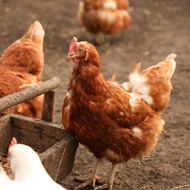
Image © Shutterstock.com/Shayli






 The Veterinary Medicines Directorate (VMD) is inviting applications from veterinary students to attend a one-week extramural studies (EMS) placement in July 2026.