"We welcome the Government’s animal welfare strategy, and in particular their commitment to explore further measures to prevent live export of horses from Britain to slaughter" - Roly Owers.
World Horse Welfare welcomes Government’s animal welfare strategy.
World Horse Welfare has welcomed the Government’s new Animal Welfare Strategy, particularly its commitment to tackling the live export of horses for slaughter.
The charity recently highlighted the case of two consignments of horses that arrived into their care in recent years — known as the Dover 26 and the Trafficked 20 — after being intercepted at Dover.
World Horse Welfare is supportive of the strategy’s focus on improving transport conditions, enforcing licensing regulations for premises where equines are kept, and collaborating with the horse sector to ensure licensing requirement are proportionate.
Chief executive, Roly Owers, said: “We welcome the Government’s animal welfare strategy, and in particular their commitment to explore further measures to prevent live export of horses from Britain to slaughter. It is still far too easy for horses to be exported under the guise of riding or breeding but go straight to a meat market, so it’s urgent and vital that we get the right measures in place to put a stop to this.
“We also welcome other aspects of the Government’s strategy, such as the recognition of the impact of transport on the welfare of animals and the importance of welfare-friendly journey times, along with the impact of temperatures and space allowances. We applaud the Government’s commitment to working with both the horse sector and enforcement bodies to develop appropriate measures.”
He continued: “We are pleased to see the Government commit to working with local authorities to improve enforcement of the current licensing regulations for premises where equines are kept, to ensure greater consistency and effectiveness.
"We are hopeful that improvements in enforcement will be made before the outcome of the proposed consultation on licensing of rescue and rehoming centres and look forward to working with the Government, via the National Equine Welfare Council and British Horse Council, to ensure that any new licensing requirements are both proportionate and enforceable."
Mr Owers also urged the Government to updated England’s Code of Practice for the keeping of horses and other equines, which was last updated in 2017, adding:
“Updating the code, as is currently being done in Scotland, would enable the welfare of all equines in England to be better protected, supporting the Government’s stated aims of educating animal owners and carers on best practices and promoting innovation in animal care and welfare standards. We would be pleased to support Defra and work with the sector to achieve this.”
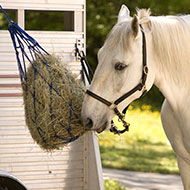
Image (C) Shutterstock/Darryl Brooks.





 The BSAVA has opened submissions for the BSAVA Clinical Research Abstracts 2026.