Welcome to vnonline.co.uk

vnonline.co.uk provides the veterinary nursing profession with the latest news and industry developments, as well as events, resources, learning materials and careers.

Our website is dedicated to veterinary nurses and we strive to provide a platform where you can voice and explore your interests.

Not a member yet? Sign up for free!

Register for free with vnonline.co.uk to gain unlimited access to news, resources, jobs and much more!




Click here to become a member


Log in to vnonline

Forgot your password?

Posted: 15th December 2025

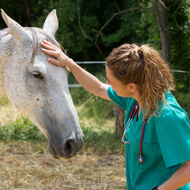
New guidance for treating horses of unknown ownership
The guidance offers six recommendations for treating such cases.
The resource has been launched to address ‘intimidating’ process.

The British Equine Veterinary Association (BEVA) has published a new resource for veterinary surgeons providing treatment to equids where the owner or keeper cannot be identified.  

The mobile-friendly library is designed to make the rules for providing veterinary care to such equids clearer, in line with the RCVS Code of Professional Conduct.

The Code of Professional Conduct describes how its members should not unreasonably refuse a patient first aid or pain relief, which might include euthanasia. It states that attending veterinary surgeons should understand the appropriate procedures when handling such cases.

This new set of guidance has been compiled by BEVA, in collaboration with groups including the RSPCA, World Horse Welfare, the National Equine Crime Group, as well as national and local authorities.

Included in the library is a decision tree for checking correct procedures, an overview of stakeholder roles and responsibilities, a ‘what if’ troubleshooting guide, and a registry of essential contacts. There is also a selection of examination and treatment worksheets, such as euthanasia certification, to support the completion of paperwork.

The guidance notes offer six recommendations when treating these cases, including attending the scene, recording notes and seeking a second opinion. There is also guidance for gaining euthanasia authorisation and carcass collection.

Imogen Burrows, BEVA president, said: “It can be an intimidating process when visiting an equid without an owner, but our new resources aim to address the potential stress factor and make the rules around the provision of care very clear-cut.

“We have produced all the documents the attending vet should need, no matter their location or circumstances. Most importantly, if they are attending alone, they will know how to access the right help at the right time, secure in the knowledge that they are following appropriate, validated procedures.”

The resources can be accessed here.

Image © Shutterstock.com/134pixels


Become a member
or log in to add this story to your CPD history