Welcome to vnonline.co.uk

vnonline.co.uk provides the veterinary nursing profession with the latest news and industry developments, as well as events, resources, learning materials and careers.

Our website is dedicated to veterinary nurses and we strive to provide a platform where you can voice and explore your interests.

Not a member yet? Sign up for free!

Register for free with vnonline.co.uk to gain unlimited access to news, resources, jobs and much more!



Click here to become a member


Log in to vnonline

Forgot your password?

Posted: 7th September 2016

'Majority' of vets asked to euthanise healthy pets
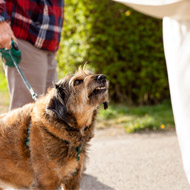
aggressive dog
Euthanasia of healthy animals is the "hidden, tragic cost" of poor early socialisation, BVA president Sean Wensley said.
Behavioural problems are a key issue, BVA poll finds

Nearly all vets have been asked to put a healthy pet to sleep, most commonly due to the animal's behavioural problems, according to a BVA poll.

Only two per cent of vets questioned as part of the BVA's Voice of the Veterinary Profession survey had never been asked to euthanise a healthy animal. Of those who had been asked, 98 per cent said the owners gave 'behavioural issues' as the reason.

Problem behaviours seen by vets may include persistent barking and howling, destructive chewing, inappropriate toileting and aggressive behaviour to people or other animals.

Other reasons given by owners for requesting euthanasia included ill health of the owner, new accommodation that doesn't allow pets, legal/enforcement action, divorce/change of circumstances, change in finances, moving overseas and a new child in the family.

BVA president Sean Wensley called the figures "stark" and "likely to come as a shock to members of the public". He also commented on the burden this places on vets.

"Nobody enters the veterinary profession wanting to euthanise healthy pets, but this is the stressful situation that many vets are facing because of undesirable behaviours in pet animals.

"Vets will do all they can in these situations to avoid euthanasia, including offering evidence-based behavioural advice, referring to accredited pet behaviourists or assisting with rehoming through reputable rehoming organisations, but sometimes these options are not appropriate, particularly where the behavioural issues make it extremely difficult to rehome the animal.

"Vets are not required to euthanise healthy animals at an owner’s request, but sometimes, having carefully considered all options and given the circumstances the pet finds themselves in, it may be in an animal’s best interests to do so."

Euthanasia of healthy animals is the "hidden, tragic cost" of poor early socialisation, he added.

"This is the sad reality of a failure to socialise animals from the earliest possible age – a specific time in a puppy’s development which has a significant impact on their future temperament and behaviour."

Socialisation must begin with the breeder, he said, as he urged would-be pet owners to carry out thorough research on a puppy's birthplace and rearing. Once a new pet is welcomed into the family, he advised working closely with a local veterinary practice on good socialisation during the first year of the pet's life, particularly in the first few weeks.


Become a member
or log in to add this story to your CPD history